Building a financial foundation that spans generations requires vision, discipline, and a thoughtful roadmap. This article explores the core principles, strategies, and tools you need to leave a meaningful legacy that thrives far beyond your lifetime.
Understanding Generational Wealth
Generational wealth extends beyond mere assets; it includes governance, family alignment, and shared values that guide decision-making over decades. When families adopt a long-term strategy that addresses comprehensive planning, they create a roadmap that adapts to evolving needs.
At its heart, this approach fosters collaboration, transparency, and accountability, ensuring each generation understands both the privileges and responsibilities that come with stewardship.
The Three Essential Phases
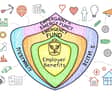
Successful wealth-building journeys typically unfold in three interconnected phases. Each stage addresses different priorities but shares the common goal of sustaining prosperity across time.
- Grow: Focus on accumulation, seizing opportunities, and embracing intelligent risk.
- Protect: Emphasize risk management, tax efficiency, and downside control.
- Preserve: Center on sustainability, legacy planning, and multigenerational continuity and legacy planning.
By sequencing efforts—first building assets, then safeguarding them, and finally embedding a legacy—families avoid common pitfalls and maximize the impact of their wealth.
Key Planning Pillars
Whether you are a young professional or an experienced entrepreneur, three pillars will anchor your strategy and guide decision-making at every stage of life.
- Budgeting to build wealth: Creating disciplined cash flow management and prioritized saving.
- Positioning assets: Strategic investing, retirement planning, and diversification.
- Protecting the future: Estate planning, trust structures, and risk mitigation.
Balancing these pillars over short, mid, and long-term horizons ensures both liquidity for immediate needs and the growth potential for decades ahead.
Core Asset Building Strategies
Diversification across multiple asset classes reduces risk and enhances growth potential. Families should diversify wisely, matching investments to their unique goals and timeframes.
- Personal development and skill investment
- Business ownership and private equity opportunities
- Real estate holdings and rental income
- Stock market portfolios and index funds
- Whole life insurance and cash value accumulation
Combining traditional assets with emerging avenues such as cryptocurrency can unlock new growth pathways, provided you maintain a disciplined approach to risk management.
Tax and Estate Planning Tools
Effective tax and estate planning can shield wealth from unnecessary erosion and facilitate smooth transfers to heirs. Below is a summary of common structures and their primary benefits.
When implemented correctly, these tools work in concert to preserve capital, optimize tax outcomes, and support philanthropic goals.
Education, Governance, and Family Values
A truly enduring legacy is not defined by financial statements alone. Families must invest in intentional education, not just distributions, instilling financial literacy and shared purpose in each generation.
Creating a comprehensive Family Wealth Philosophy Guide fosters alignment. Written charters clarify roles, responsibilities, and voting rights while promoting structured governance and transparent accountability.
Regular family meetings encourage open dialogue about money, responsibility, and shared vision. Involving younger members early—through mentorship, financial training, and hands-on experience—prepares them to become trustworthy stewards of the assets they will inherit.
Overcoming Common Challenges
Many families face three core challenges as they seek to maintain wealth across generations:
The three-generation wealth loss problem: Without values-driven planning, assets can be dissipated by the third generation. Embedding purpose and stewardship helps counteract this drift.
Entitlement vs. stewardship: Unrestricted inheritances can foster dependency. Structured distributions tied to milestones such as education, entrepreneurship, or philanthropy encourage active engagement.
Complex asset coordination: Concentrated positions and diverse holdings require professional oversight. Simplification, diversification, and regular reviews keep plans aligned with evolving family goals.
Putting It All Into Action
2026 presents a pivotal moment to define your family’s legacy and create intentional outcomes rather than accidental ones. Begin by:
1. Clarifying your family’s purpose and values. 2. Mapping short, mid, and long-term goals. 3. Engaging trusted advisors for tax, legal, and investment guidance. 4. Developing educational programs and governance frameworks for heirs.
By taking these steps now, you harness the power of compounding—financially and culturally—ensuring that each generation benefits from the foresight and dedication of the one before.
Empowering the next generation responsibly demands commitment, collaboration, and creativity. When families unite around a shared vision, they build more than wealth: they create a lasting legacy of purpose, resilience, and boundless opportunity.