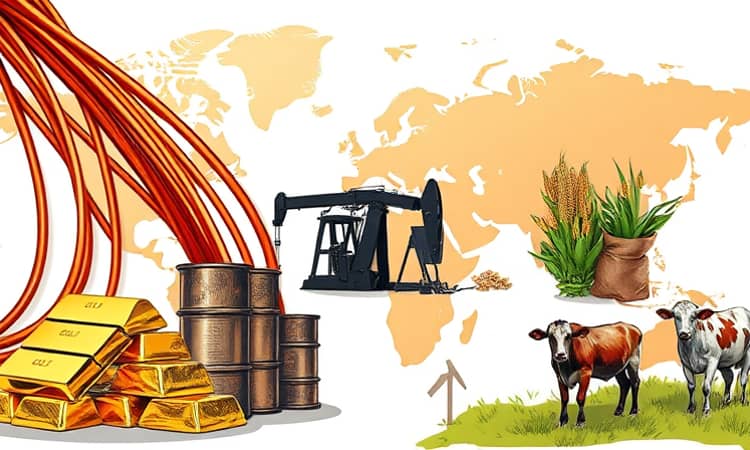
Commodities represent the building blocks of modern economies. From the energy that powers industries to the metals that enable high-tech innovations, raw materials play a pivotal role. For investors, these markets offer unique opportunities to diversify portfolios, hedge against inflation and align with global trends such as the energy transition.
Navigating the World of Commodities
At its core, commodity investing involves raw materials traded in physical or derivative forms. Energy, metals, agriculture and livestock each have distinct supply-demand dynamics and risk profiles. Understanding these components is the first step toward harnessing their potential.
- Energy: oil, natural gas and refined products
- Metals: copper, aluminum, gold, silver and uranium
- Agriculture: grains, oilseeds and soft commodities
- Livestock: cattle and hogs
Market prices often fluctuate based on weather, geopolitics and macroeconomic shifts. These factors can generate significant trading opportunities and challenges for both short-term traders and long-term investors.
One of the most compelling attractions is the diversification benefit due to low correlation with traditional equity and bond markets. Historical data shows correlations near 0.27 with stocks and -0.07 with bonds, which can improve portfolio efficiency and reduce volatility over time.
The 2026 Market Outlook and Forecasts
Looking ahead to 2026, commodity markets present a mix of optimism and caution. Overall indices suggest a period of moderation following strong gains in recent years. The S&P Goldman Sachs Commodity Index is projected to decline by 0.9%, while broad global prices could fall by roughly 7%.
Yet individual sectors tell different stories. Industrial and precious metals are poised for growth as global economies invest in renewable energy, electric vehicles and advanced infrastructure. In contrast, energy may face oversupply, and agriculture could see stable to lower prices amid ample production.
In the energy sector, Brent crude faces downward pressure, with U.S. grades down 18.4% and European variants off 15.3% year over year. Supply surpluses and weaker demand growth are key factors.
Agricultural markets are mixed: grains enjoy modest support from global consumption, while soybeans grapple with shifting Chinese demand and large inventories. Livestock markets have benefited from a historically small U.S. herd, driving beef prices higher by 11.2% last year.
Structural themes such as the ongoing energy transition toward renewables, government spending on green infrastructure and macro tensions in U.S.-China relations will shape commodity performance throughout 2026 and beyond.
Investment Strategies and Vehicles
Investors can access commodities through a spectrum of instruments, each with unique risk-reward characteristics. Selecting the right vehicle depends on objectives, risk tolerance and technical expertise.
- Direct exposure via futures contracts: offers leverage and precise price targeting, but involves roll costs.
- Indirect instruments such as ETFs, mutual funds and commodity pools: suited for hands-off investors.
- Equity stocks and ETPs linked to commodity producers: balance between growth potential and commodity sensitivity.
For those seeking advanced tactics, strategies include long-only allocations, long-short pairing, trend-following systems and relative-value arbitrage. Systematic approaches, like volatility-adjusted asset allocation models, can optimize exposure dynamically.
Risks and Considerations
While commodities can enhance returns and provide hedging benefits, they come with inherent risks. Price swings can be severe, influenced by weather events, geopolitical upheavals and unexpected policy changes. Futures contracts amplify both gains and losses through leverage and roll effects.
- High price volatility from supply and weather disruptions
- Geopolitical risks, including conflicts and trade tariffs
- No income generation—returns depend solely on price moves
These markets are best suited for investors with higher risk tolerance and time horizons long enough to ride through drawdowns. Diversification across commodities and other assets can mitigate, but not eliminate, these risks.
Building a Resilient Portfolio
Incorporating commodities into your portfolio requires a thoughtful, goals-based approach. Many investors aim for an inflation-beta targeting strategy, adjusting allocations based on macroeconomic indicators and market signals.
Start by defining your objectives: are you seeking inflation hedge, diversification boost or alpha generation? Then choose the instruments and strategies that align with your risk profile. Allocate capital in small tranches and rebalance periodically to capture market shifts.
Monitor correlation metrics and historical performance to ensure your commodity holdings deliver the intended benefits. For example, an allocation that adds 2.85% excess return can elevate the efficient frontier, improving risk-adjusted outcomes.
Conclusion
Commodity markets offer a compelling blend of diversification, inflation protection and exposure to transformative trends like clean energy and advanced manufacturing. As we enter 2026, industrial and precious metals shine, while energy and agriculture present nuanced challenges.
By understanding the fundamental drivers, selecting appropriate vehicles and managing risks diligently, investors can harness the power of raw materials to enhance portfolio resilience and pursue long-term goals. Embrace a strategic mindset, stay informed on evolving market conditions and maintain disciplined execution for success in commodity investing.