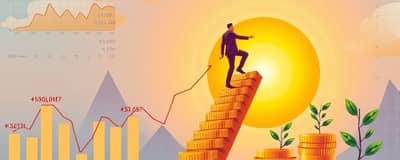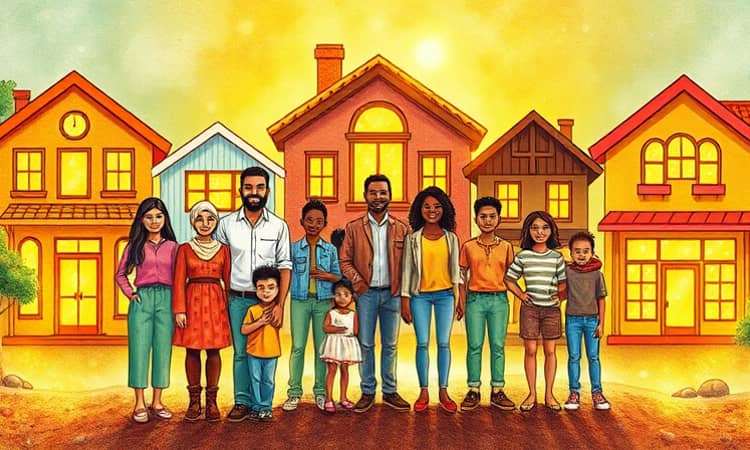
As individuals and communities strive for economic security and generational stability, the concept of ownership emerges as a powerful catalyst. When you hold an ownership stake in assets—whether a home, a business, or land—you unlock pathways to lasting wealth, greater resilience, and a stronger voice in shaping your environment. This article explores how equity works, why it matters, and how you can harness it to empower yourself and uplift your community.
Why Ownership Matters
Across the United States, homeowners consistently demonstrate far higher net worth compared to renters. According to Federal Reserve data, the median net worth of homeowners was $255,000 in 2019, while renters held just $6,300. This staggering difference—often as much as forty times greater—illustrates that ownership is the engine of wealth creation. Over three decades, this gap has grown by roughly 70%, underscoring the importance of seizing ownership opportunities early and maintaining them over time.
Even modest appreciation can supercharge these numbers. Between 2012 and 2022, middle-income homeowners saw property values rise by 68%, translating to an average gain of $122,100. Low-income households in shared-equity programs built nearly $191,000 in wealth after five years. Such outcomes highlight ownership not just as a financial tool, but as a force for closing wealth gaps.
Mechanics of Equity Build-Up
Equity grows through two main channels: debt reduction and asset appreciation. Each mortgage payment chips away at your loan balance, increasing the portion of the property you truly own. Simultaneously, market forces can drive up home values, boosting your net worth without extra effort. This dual process creates a powerful forced savings effect that quietly builds a nest egg over time.
- Principal reduction through regular payments
- Home value appreciation averaging 4% annually
- Leverage: controlling a large asset with a smaller down payment
- Tax advantages that reward ownership
By leveraging modest down payments, buyers can control assets worth hundreds of thousands of dollars. Even after accounting for transaction and maintenance costs, sustained ownership remains one of the most reliable paths to financial security.
Leveraging Equity for Further Empowerment
Once built, equity becomes a versatile resource. Homeowners can tap accumulated value through refinancing, home equity lines of credit, or strategic sales. This access to capital can fund education, launch new ventures, or seed additional investments. In this way, equity build-up transforms a static asset into a dynamic springboard for opportunity.
- Start or expand a small business
- Invest in higher education or vocational training
- Acquire new real estate or diversify into stocks
Beyond finance, powerful lenders and programs increasingly recognize the role of equity in fostering entrepreneurship, leading to more favorable terms for those with home equity. This synergy creates virtuous cycles of growth for individuals and their families.
Equity Empowerment Through Community Wealth Building
When ownership extends beyond individuals to encompass neighborhoods, cities, and regions, the ripple effects can transform entire economies. Community wealth building is a transformative local economic development strategy that emphasizes local control, shared prosperity, and inclusive growth. By democratizing ownership through cooperatives, community land trusts, and social enterprises, communities keep dollars circulating locally and support self-determined progress.
Central to this approach are partnerships with anchor institutions—universities, hospitals, and public agencies—that direct procurement and investments toward local businesses. Public or mission-driven banks can provide fair lending for underserved entrepreneurs, while shared-equity housing models ensure homes remain affordable across generations. These initiatives close racial and wealth gaps by preventing displacement and preserving affordability in historically marginalized neighborhoods.
Consider a worker cooperative housed on community-trusted land, financed by a public bank, and supported by local procurement policies. Such integrated models foster resilient economic ecosystems where prosperity is not extracted but nurtured collectively.
Overcoming Persistent Inequities and Barriers
Despite its power, ownership remains out of reach for many due to systemic hurdles. Redlining, discriminatory lending, and unequal access to credit have hindered Black, Indigenous, and communities of color for decades. Even today, approval rates for mortgages and small business loans differ sharply across racial lines. Closing these gaps requires targeted policies, financial education, and support systems that address both capital access and market discrimination.
Programs like shared-equity homeownership and nonprofit affordability initiatives demonstrate success: foreclosure rates remain low, and participants often build significant wealth. Yet scaling these models depends on sustained public-private partnerships, inclusive underwriting, and community-driven advocacy. By recognizing and dismantling the root causes of inequity, we can expand ownership to all who aspire to it.
Practical Steps to Build and Leverage Equity
- Establish a realistic budget and emergency fund before taking on debt
- Shop for fair financing; compare rates and avoid predatory terms
- Maintain and improve your assets to boost appreciation
- Seek community programs that offer down payment assistance or shared equity
- Engage with local cooperatives and credit unions to access tailored resources
Each step may feel small, but together they form a roadmap to sustainable wealth creation. Whether you are a first-time homebuyer, an aspiring entrepreneur, or a community leader, these actions lay the foundation for lasting prosperity.
Conclusion: A Path to Sustainable Prosperity
Achieving true financial empowerment transcends income—it hinges on ownership. By building and leveraging equity, we not only secure our own futures, but also strengthen the fabric of our communities. When families own their homes, entrepreneurs control their businesses, and residents share in local assets, we forge resilient economies rooted in fairness and opportunity. The journey requires vision, discipline, and collaboration, but the destination—a world where wealth and power are equitably shared—is worth every effort.