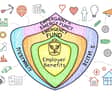
Thinking ahead ensures peace of mind and structured inheritance. By putting thoughtful plans in place today, you can secure your legacy for future generations and reduce stress on loved ones.
Foundations of Estate Planning
Estate planning goes beyond drafting a will. It involves protecting assets, minimizing taxes and probate costs and establishing clear directives in case of incapacity. Foundational documents form the bedrock of a robust plan.
A comprehensive plan typically includes a last will and testament, trusts, powers of attorney, health care directives, and beneficiary designations. Storing these documents securely—either in a fireproof safe or an encrypted digital vault—ensures accessibility when needed.
Regular reviews are vital. Life changes such as marriage, divorce, births, or property transactions can render your plan outdated. Aim to review every two to three years or immediately after major events.
This table highlights three essential instruments. Additional items—such as health care directives, beneficiary forms, and letters of intent—round out a full estate plan.
2026 Updates and Strategies
The legal landscape for estate planning evolves. In 2026, the U.S. federal estate tax exemption rose to $15 million per individual, offering greater room for wealth transfer without federal levy.
California’s Proposition 19 has reshaped property tax rules for inherited real estate. Understanding these state-specific changes helps you avoid frozen assets and court delays and maintain cost-efficient transfers.
Key 2026 statistics include:
- Average final expenses in California: $8,000–$12,000
- Ontario Estate Administration Tax: 1.5% on estates over $50,000
- No bond required in Ontario for estates under $150,000
- U.S. exemption now at $15 million per person
Implement strategies like irrevocable life insurance trusts for estates nearing the exemption threshold, and update beneficiary designations to reflect current wishes.
Actionable Steps and Checklists
Creating a step-by-step approach can demystify the process. Break tasks into manageable segments over days or weeks.
Start by locating all existing documents and listing assets and liabilities. Then move to beneficiary reviews, document execution, and professional consultations.
Here’s a focused weekly action plan:
- Monday: Gather foundational documents from safes or attorneys
- Tuesday: Inventory financial accounts, policies, and real estate
- Wednesday: Review and update beneficiary designations
- Thursday: Read through wills, trusts, and directives for accuracy
- Friday: Schedule an attorney or advisor review meeting
Sharing an outline with trusted family members or executors helps avoid surprises. Secure originals in a designated location while keeping copies with agents and advisors.
Professional Guidance and Best Practices
Engaging experienced professionals elevates the quality of your plan. Attorneys, tax advisors, and financial planners can identify pitfalls and opportunities specific to your situation.
Work with specialists to:
- Structure documents to comply with state or provincial requirements
- Optimize tax outcomes through strategic trust funding
- Ensure digital accounts and passwords are accessible to agents
Common missteps include neglecting to fund trusts, overlooking digital assets, and forgetting to update beneficiaries after major life events. Regular consultations ensure continuous alignment with evolving laws.
Life Stage Considerations and Final Thoughts
Estate planning needs vary by family dynamics and personal circumstances. For parents of minors, naming guardians and trusts for children prevents direct inheritances at age eighteen. Plan for digital assets and accounts to avoid losses of photos, social media, or cryptocurrency.
Blended families benefit from clear, specific bequests that reduce conflict. Business owners should integrate succession documents or buy-sell agreements into their plan.
Ultimately, a thoughtful estate plan does more than distribute wealth. It saves tens of thousands in costs, minimizes family discord, and ensures that your values and wishes guide the future.
Begin today: assemble your team, gather documents, and set a regular review schedule. With careful preparation, you can confidently pass on not just assets but also peace of mind.