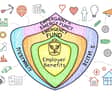
Financial freedom doesn’t happen overnight; it’s the result of purposeful planning, disciplined habits, and informed decisions. By following a series of well-chosen steps consistently, you can build stability, grow wealth, and achieve financial peace of mind.
Building an Emergency Fund
The first pillar of financial security is having cash set aside for unexpected events. Aim to accumulate 3-6 months' essential expenses in an account you can access immediately. Emergencies like car repairs, medical bills, or job interruptions can strike any time.
To balance accessibility and return, consider a high-yield savings account or savings pod offering up to 4.00% bonus interest. Keep in mind that in some regions, taxation on interest can underperform inflation, so limit these funds strictly to your emergency buffer.
Optimizing Cash Flow and Household Finances
A thorough review of your income, expenses, and debts lays the groundwork for sustainable savings. Start by analyzing your past year’s statements, focusing on areas where small cuts generate big gains.
- Review monthly spending categories to identify discretionary outlays
- Negotiate competitive rates on life, mortgage, and income protection insurance
- Automate savings to prevent spending creep and ensure consistency
High-interest credit card debt or variable-rate loans can erode your ability to save. Redirect payments toward debts with double-digit rates to eliminate them faster and free up cash flow for investments.
Establishing a Structured Investing Habit
Once your emergency cushion is in place and debts are under control, channel extra funds into investments. Develop a habit of automated contributions each month to retirement plans and brokerage accounts. Even a modest increase from 3% to 4–5% of income can dramatically alter your long-term outcomes.
Choose diversified funds that match your risk tolerance and time horizon. In periods of volatility, dollar-cost averaging through regular buys smooths entry points and reduces market timing stress.
Enhancing Pension and Retirement Strategies
Retirement accounts remain one of the most effective vehicles for long-term growth and tax advantages. Review your pension or 401(k)/IRA arrangements annually. Aim to max out employer matches and increase contributions when feasible.
In regions like Ireland, note changes such as a higher Standard Fund Threshold (SFT). In the U.S., strategies like Roth conversions during low-income years can lock in tax-free growth. Always align your fund choices with personal goals and risk appetite.
Maximizing Tax Efficiency
Effective tax management is not a December scramble but a year-round discipline. Leverage credits, allowances, and reliefs to reduce liabilities before year-end. Consider the differences between a 38% exit tax on certain funds versus a 33% capital gains tax in Ireland.
Gifting small amounts to family under exemption limits can transfer wealth efficiently. Document all tax-saving measures and deadlines to avoid surprises.
Effective Portfolio Management
Maintaining the right mix of equities, bonds, and cash underpins both growth and resilience. Regularly revisit your target allocation and rebalance when any asset class drifts by more than 5% from its benchmark.
In the current economic context, with potential Fed rate cuts totaling roughly 100 basis points over 12 months, shorter-duration bonds (5–7 years) may offer an attractive blend of yield and duration risk. Global diversification—across regions, sectors, and company sizes—further smooths returns.
Adopt a holistic asset allocation and diversification approach. Resist the urge to chase trends; stick to your plan and rebalance systematically.
Creating a Comprehensive Financial Plan
A detailed roadmap integrates each step, giving you clarity on goals, milestones, and metrics. Use digital tools for cash flow modeling and risk analysis. Visual aids like vision boards for goals can transform abstract targets into tangible realities.
- Identify short- and long-term objectives with specific numbers
- Regularly monitor your financial progress quarterly
- Adjust the plan to reflect life events and changing priorities
Your plan should be a living document, evolving as your career, family, and aspirations mature. Periodic check-ins keep you accountable and ensure you harness opportunities as market conditions shift.
Ultimately, true financial freedom emerges from disciplined action over time. By building a robust emergency fund, optimizing cash flow, automating investments, refining tax strategies, and managing your portfolio with intention, you position yourself to navigate uncertainty and thrive. Embrace these principles, stay the course, and witness the transformative power of a well-constructed financial blueprint.