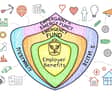
Imagine standing at the helm of your life’s voyage, compass in hand, charting a course toward financial freedom and security. With the right tools and mindset, you can navigate every current and storm that life throws your way.
The Foundation: Knowing Where You Stand
Every successful journey begins with a clear assessment of your starting point. To steer confidently, you need a robust financial foundation.
Begin by calculating your net worth. List assets like savings, investments, and property, then subtract liabilities such as loans, credit-card balances, and mortgages. Examine your cash flow: track monthly income and categorize expenses into essentials, debt payments, and discretionary spending.
This honest financial assessment reveals patterns and blind spots. It empowers you to make informed decisions and to spot opportunities for greater efficiency and growth.
Setting Sights: Defining Your Goals
With clarity on where you stand, envision your ideal destination. Goals provide direction and motivation. Aim for clear, actionable financial goals such as saving for a down payment in three years, building an emergency fund, funding education, or retiring early.
Divide targets into short-term (up to two years), medium-term (three to five years), and long-term (beyond five years). Prioritize based on values and urgency. Remember, goals evolve—treat them as living guides, not rigid mandates.
Plotting the Route: Step-by-Step Process
Once objectives are set, a structured approach turns dreams into reality. Leading frameworks share a common five-phase cycle: engagement, goal-setting, analysis, recommendations, implementation, and review.
- FP Canada’s Six Steps: From scope definition to monitoring and updating.
- NerdWallet’s Nine Steps: From emergency fund creation to estate planning.
- CFP Board’s Seven Steps: From data gathering to ongoing adjustments.
These frameworks ensure no critical element is overlooked. They guide you to assess, plan, act, and refine continuously.
Key Compass Points: Financial Building Blocks
Like cardinal points guiding a ship, certain pillars support every robust plan. Below is an overview of these core areas:
Setting Sail: Implementation and Monitoring
Plans are only as good as their execution. Translate strategy into daily practices: automate savings, rebalance portfolios, and pay down debt methodically. Coordinate with advisors and leverage technology to streamline tasks.
Adopt consistent, small practical actions—they compound into significant progress. Schedule regular reviews, at least quarterly, to update assumptions, incorporate life changes, and pivot when markets shift.
Navigating Storms: Common Pitfalls and Best Practices
- Avoid skipping budgeting: high earners often falter without tracking.
- Don’t neglect inventory: missing data leads to unrealistic goals.
- Combat inaction: set deadlines for every key step.
Embrace a holistic view. Collaborate with trusted professionals, but own your journey. Transparency, honesty, and perseverance form the bedrock of success.
Bringing It All Together
Financial planning isn’t a one-off task—it’s an evolving voyage. As you progress, your priorities shift, markets change, and new opportunities emerge. By establishing a structured planning process and committing to regular check-ins, you maintain control and adjust course as needed.
Recall the initial moment at the helm: equipped with a compass, map, and unwavering resolve. That very spirit—curiosity, discipline, and optimism—will guide you through calm seas and turbulent waves alike. Chart your course today, and sail confidently toward a future of security and fulfillment.