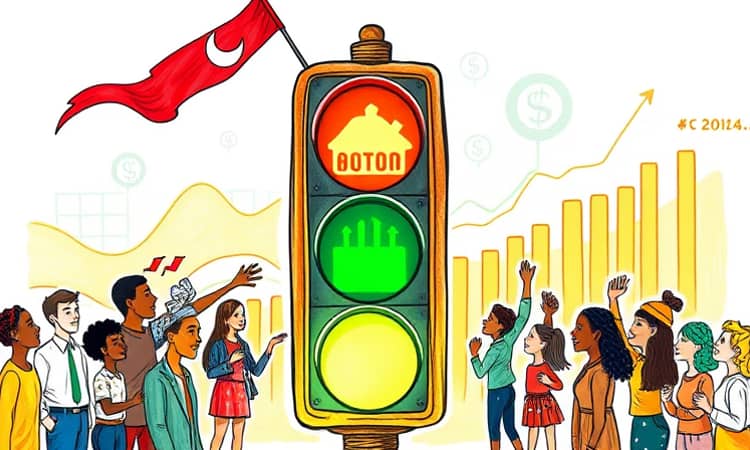
Traditional credit evaluation often focuses on warning signs, leaving millions of potential borrowers overlooked. This article explores how lenders can shift from simply dodging pitfalls to actively pursuing untapped segments, transforming risk into tangible returns and driving financial inclusion and growth.
Understanding Credit Risks and Missed Opportunities
Credit risk assessment has long relied on metrics such as payment history, debt ratios, and liquidity. While these factors highlight vulnerabilities, they often overshadow less visible prospects. For instance, more than 91.5 million thin-file consumers in the U.S. are deemed credit-invisible, yet many of these individuals demonstrate stable payment patterns through alternative channels.
By focusing solely on red flags—late payments, high utilization, and declining asset quality—institutions may inadvertently ignore segments that could enhance portfolio performance. The challenge is to balance caution with innovation, spotting signals that reveal genuine potential.
Key Risk Indicators: Spotting Red Flags
Identifying early warning signs remains essential to maintain portfolio health. The following indicators serve as core metrics:
- Payment History: Frequency and severity of late payments are top predictors of default.
- Debt Utilization: Ratios above 30% often signal liquidity stress and elevated risk.
- Working Capital Trends: Sudden declines in cash flow or rising leverage ratios warrant scrutiny.
- Asset Quality Metrics: Falling receivable turnover or shrinking profit margins may precede defaults.
Key ratios such as the current ratio, long-term debt-to-capital ratio, and cash ratio provide quantitative frameworks for early detection. Rigorous stress testing and dashboard alerts ensure that emerging issues are flagged before they escalate.
Turning Risks into Opportunities with Alternative Data
Beyond traditional credit files lies a wealth of information that can illuminate otherwise invisible borrowers. By leveraging alternative data and behavioral insights, lenders can generate more nuanced credit profiles and expand inclusion.
Institutions embracing this data report average performance lifts of 15%, with some models achieving up to 94% improvements in predictive accuracy. By augmenting traditional scores with fresh inputs, lenders can convert overlooked profiles into profitable relationships.
Advanced Assessment Methods: Scoring and AI
Modern credit underwriting blends established scoring with cutting-edge analytics. Traditional models like FICO and VantageScore rely on history, utilization, and account age, while advanced systems harness sophisticated machine learning algorithms to refine risk estimates.
These methods include:
- Trended Data Analysis: Examines account behavior over 24 months to detect emerging trends.
- Machine Learning Models: Random forests, gradient boosting, and neural nets identify nonlinear risk patterns.
- Psychometric Scoring: Applies behavioral science to gauge borrower reliability for MSMEs.
By integrating these techniques, lenders can compute metrics such as probability of default and exposure, stress-test portfolios, and set dynamic credit limits that adapt to real-time conditions.
Case Studies and Proven Lifts
Several institutions have piloted green-light methodologies with impressive outcomes:
- Equifax partnered with lenders to deploy portfolio models that uncovered high-potential thin-file clients, boosting new customer acquisition by 20% without raising loss rates.
- An IDB Invest initiative in Peru used psychometric tools to extend loans to small entrepreneurs, achieving 72% approval rates among thin-file applicants with no material increase in defaults.
These successes illustrate how harnessing non-traditional inputs can unlock fresh revenue streams while maintaining disciplined risk management.
Implementation and Best Practices
Rolling out a red-to-green strategy requires careful planning and governance. Key steps include:
- Model Validation: Conduct parallel testing to compare new scores against legacy systems before full deployment.
- Threshold Calibration: Define stoplight visuals and key risk indicator limits aligned with risk appetite.
- Ongoing Monitoring: Utilize dashboards and alerts to track probability of default, exposure at default, and loss severity.
Regulatory considerations around data privacy and fair lending must be addressed. Institutions should establish clear policies for data usage, obtain necessary consents, and document model governance processes.
Conclusion: Embracing the Green Light Era
As credit markets evolve, lenders that cling exclusively to red flags risk missing transformative opportunities. By incorporating alternative data, advanced analytics, and robust monitoring, organizations can identify hidden prospects, foster inclusion, and enhance portfolio performance.
Shifting the paradigm from avoiding pitfalls to seeking green lights empowers lenders to serve a broader customer base without sacrificing prudence. In doing so, the financial industry can strike a balance between stability and innovation, paving the way for a more inclusive and prosperous future.