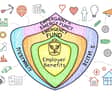
As education costs soar and career pathways evolve, the decisions we make today determine the opportunities of tomorrow. From growing student loan balances to shifting federal priorities, understanding the landscape is essential. This guide empowers you with insights, strategies, and actionable steps to turn financial challenges into stepping stones toward success.
Whether you’re nearing graduation, navigating repayment, or exploring alternative career routes, investing wisely in your education and skills can unlock a brighter financial future.
Understanding the Student Debt Landscape
Over the past few years, federal and private student loans have ballooned, saddling millions with enormous obligations. With more than $1.8 trillion in outstanding debt and over 42 million borrowers nationwide, the burden extends well beyond the classroom.
Graduates often face monthly payments stretching beyond budgets, forcing tough choices about housing, career paths, and personal milestones.
- Average federal debt per borrower: $37,056
- Typical monthly payment range: $200–$299
- Default affects over 3 million direct loan borrowers
Regional variations mean that a resident of Washington, DC might carry an average balance of $53,636, while a North Dakota borrower averages $28,136. Recognizing these disparities helps tailor solutions to your unique situation.
Strategies for Repayment and Forgiveness
Managing student debt requires both a clear plan and awareness of available programs. A key resource is the array of income-driven and forgiveness options administered by the Department of Education.
Beginning with comprehensive income-driven repayment plans can reduce payments to a manageable percentage of discretionary income, while forgiveness pathways may discharge balances entirely after consistent payments or public service work.
- Income-Driven Repayment (IDR): Adjusts installments based on earnings and family size.
- Public Service Loan Forgiveness (PSLF): Full discharge after 120 qualifying payments.
- Deferment and Forbearance: Temporary relief for short-term financial hardship.
Although default rates remain under 1% for federal loans, avoiding delinquency is crucial to protect your credit and future eligibility for federal benefits.
Investing in K-12 and Higher Education Funding Trends
Federal education funding shapes the quality and accessibility of learning from kindergarten through graduate school. Recent appropriations reflect subtle growth balanced against proposed cuts in certain areas.
Tracking these shifts equips educators, families, and policymakers to advocate effectively for resources.
While Pell Grants and Perkins State Grants show increases, significant cuts to work-study and research funding signal challenges ahead. Staying informed and engaging in local advocacy efforts can counterbalance those reductions.
Exploring Career and Technical Education Pathways
Not every learner follows a traditional four-year trajectory. Career and Technical Education (CTE) provides alternatives that deliver marketable skills and quicker entry into the workforce.
Supported by career and technical pathways, students can pursue certifications in high-demand fields such as health services, advanced manufacturing, and information technology.
- State CTE grants: $1.475 billion proposed for FY 2026
- Adult education: Opportunities for career changers to upskill
- National programs: Collaboration with industry for apprenticeships
These programs often pair classroom instruction with hands-on learning, reducing overall education costs while fast-tracking employment prospects.
Action Steps to Build Your Future
Navigating complex funding landscapes and repayment plans requires strategic planning and personal commitment. Begin with a clear budget, track your loan holders, and enroll in the plan that matches your financial reality.
Engage with campus financial aid offices or independent counselors to verify eligibility for grants, scholarships, or expedited forgiveness options. Networking in professional associations and internships can also accelerate career growth without adding to your debt load.
Finally, consider creating a personalized roadmap that balances education investments with future earning potential. This approach lays a solid foundation for long-term success and reduces the likelihood of financial stress later.
Building a Sustainable Educational Journey
The interplay between federal support, individual choices, and evolving job markets shapes our collective future. By staying informed about funding shifts, leveraging repayment programs, and embracing diverse education pathways, you position yourself to thrive.
Remember, future-focused education initiatives are not just about paying tuition—they’re about investing in your skills, your community, and your lifelong potential. Take control today and build the confidence to face tomorrow’s challenges with resilience and optimism.