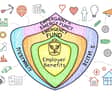
In a world where financial legacies often fade after one generation, building a lasting inheritance requires more than assets—it demands conscious planning, deep conversations, and deliberate stewardship. This article guides you through the journey of accumulating wealth, protecting it, and preserving it for descendants, while ensuring that financial wisdom and legacy planning move alongside the dollars.
Understanding Generational Wealth
Generational wealth refers to the accumulation, protection, and transfer of assets across family lines. It goes beyond property or portfolios; it encompasses the passing of insights on savings habits, risk mitigation, and prudent investment choices.
Experts identify three core pillars: Grow (building wealth through earnings and strategic investments), Protect (employing insurance, diversification, and risk management and tax efficiency), and Preserve (setting up governance structures and engaging heirs). True generational wealth endures 3-4+ generations, outlasting the typical one- or two-generation inheritance cycle.
Shifting Wealth Across U.S. Generations
The latest data reveals a remarkable concentration of wealth in older households. Those aged 55 and above control over 73% of the nation’s $167.26 trillion in household assets. While Millennials and Gen Z combined hold only about 10.7%, Baby Boomers command 51.1% of total wealth.
This imbalance stems from decades of asset appreciation—real estate values, equities, and business holdings have compounded over time, favoring those who acquired them early. Nonetheless, younger cohorts show rapid growth: median net worth for under-35s jumped from $16K in 2019 to $39K in 2022, reflecting shifting economic conditions and evolving saving patterns.
Peek into the Great Wealth Transfer
Over the next quarter-century, an unprecedented $124 trillion expected fortune will pass from the Silent Generation and Boomers to Gen X, Millennials, Gen Z, surviving spouses, and charities. This massive transfer will reshape markets, philanthropy, and family businesses.
Key Drivers Behind the Shift
Understanding the forces at play helps families prepare and adapt:
- Structural economic trends favoring investment over wages.
- Appreciation of long-held assets like real estate and stocks.
- Uneven wealth concentration in high-net-worth households.
- Rising debt burdens and housing costs for younger buyers.
Embedding Financial Wisdom Across Generations
While capital may flow, the ultimate legacy is knowledge. Older generations often equate wealth with security and stability, whereas younger individuals value flexibility and purpose. Bridging these perspectives requires honest, ongoing dialogue.
Share stories of successes and setbacks. Encourage hands-on involvement: reviewing investment portfolios, attending financial planning sessions, and exploring philanthropic goals together. These moments build confidence and ensure heirs understand both the value of money and the discipline required to sustain it.
Practical Strategies to Grow, Protect, and Preserve Wealth
At the heart of every multigenerational fortune lie the three pillars of generational wealth. Apply these principles consistently:
- Grow: Maximize earnings through diversified investments, business ownership, and retirement contributions.
- Protect: Use insurance, trusts, and tax-efficient vehicles to shield assets from market volatility and unexpected liabilities.
- Preserve: Establish governance structures and foster multigenerational governance and family engagement to align goals and smooth transitions.
Building a Lasting Legacy
Creating generational wealth is as much about values as it is about valuations. Cultivate a family mission statement that reflects shared aspirations—whether supporting educational endeavors, advancing charitable causes, or fueling entrepreneurial dreams.
Document estate plans clearly: update wills, designate powers of attorney, and communicate intentions to all stakeholders. Engage advisors who specialize in multigenerational planning to navigate complex tax laws and trust arrangements.
Finally, remember that wealth without wisdom is fleeting. By embedding financial education, encouraging stewardship, and celebrating shared milestones, families can forge legacies that endure. Embrace the journey—pass on not just assets, but the principles that transform resources into resilience for generations to come.