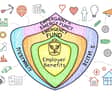
In 2026, with inflation moderating and savings rates recovering, it’s the perfect moment to prioritize your financial resilience. By establishing a robust emergency fund and setting clear benchmarks, you can gain peace of mind and weather economic ups and downs.
Introduction to Building a Financial Cushion
Every financial journey starts with three to six months of living expenses saved in an accessible account. An emergency fund acts as a safety net, protecting you from unexpected medical bills, car repairs, or temporary job loss.
The current economic climate encourages savers to take action: interest rates remain attractive on high-yield accounts, and inflation has eased compared to recent years. With this window of opportunity, establish a cushion that fuels confidence.
Setting Clear Financial Goals
Effective saving begins with purpose. Start by defining:
- Short-term goals: an initial $1,000 emergency cushion or holiday fund.
- Medium-term goals: a down payment for a home or funding further education.
- Long-term goals: retirement planning and sustained investment growth.
Use the S.M.A.R.T. framework—Specific, Measurable, Attainable, Relevant, Time-Based—to transform vague ambitions into actionable milestones. For example, “save $500 monthly via automatic transfers by the 5th of each month.” Review progress quarterly and adjust as life evolves.
Budgeting Techniques
Building discipline in spending frees up more funds to save. Two popular approaches include:
Whatever method you choose, track transactions with apps to spot impulse buys or unused subscriptions. Treat your budget as a living document, adjusting monthly to reflect shifting prices and income.
Automation and "Pay Yourself First"
One of the simplest yet most powerful habits is to set automatic transfers weekly or biweekly from your checking to your savings account. Many employers and banks allow splitting direct deposits so that a fixed percentage lands in savings before you ever see it.
“Automation makes savings consistent and easy,” financial experts agree. By removing manual steps, you reduce temptation and build momentum toward debt payoff, vacation funds, or long-term investments.
High-Yield Savings and Account Strategies
With many digital banks offering attractive interest, moving your emergency fund to a high-yield account can significantly boost returns. Popular options include Ally Bank, Discover, and North American Savings Bank.
Consider opening multiple sub-accounts for specific goals—emergencies, short-term purchases, vacations—to keep your goals distinct and avoid overspending. Enable mobile alerts and leverage AI-driven banking features to optimize deposit timing and spending alerts.
Debt Reduction to Boost Savings
Reducing high-interest debt frees up cash and prevents interest from eroding your progress. Focus extra payments on credit cards or personal loans with the highest rates, while maintaining minimum payments on other balances.
In 2026, nearly 30% of Americans aim for full debt payoff. As you successfully eliminate balances, redirect those freed-up dollars into your savings plan, accelerating your cushion-building efforts.
Cutting Expenses and Smart Shopping
Every dollar saved on recurring costs can accelerate your plan. Conduct a subscription audit: cancel or renegotiate streaming services, phone plans, and gym memberships you seldom use. Tools like Rocket Money or Truebill identify hidden fees and help negotiate bills.
- Subscription audit: review and trim unused services.
- Shopping hacks: bulk purchases, loyalty programs, and browser extensions like Honey uncover coupons and cashback.
- Energy-efficient upgrades like LEDs and smart thermostats reduce utility bills and may qualify for tax credits.
Savings Challenges for Engagement
Inject fun and structure with progressive challenges. The classic 52-week savings plan starts at $1 weekly, escalating to $52 by year-end, totaling $1,378. Alternatively, the 26-week method begins at $3 and adds $3 each period, reaching $1,053 by week 26—ideal for biweekly pay cycles.
Include no-spend days or no-dining-out weeks, tailoring rules to your lifestyle. Challenges foster accountability and visible progress, motivating you to stay the course.
Investing for Growth (Beyond Basic Cushion)
Once you’ve secured three to six months of expenses, channel additional savings into growth assets. Diversify across:
- Stocks or ETFs focused on AI, renewables, or stable dividend funds.
- Bonds and CD ladders—particularly short- to medium-term instruments in anticipation of Fed rate cuts.
- Real estate or cautious allocations to digital assets.
Rebalance annually to align risk with your time horizon. When bonuses or tax refunds arrive, consider allocating a percentage to these investment buckets to supercharge your long-term wealth.
Household and Lifestyle Savings
Adopt sustainable habits that lower recurring costs. Meal planning and composting reduce grocery waste, while home insulation and solar panel installation can cut energy bills dramatically over time. Seasonal maintenance—like winterizing pipes and servicing HVAC systems—prevents costly emergency repairs in colder climates.
Seek free or discounted entertainment through community events, membership programs, or pre-owned technology. Bundling services such as internet and streaming can yield additional savings.
Advanced 2026 Tips
Stay ahead of the curve by integrating technology and policy shifts into your strategy. AI-driven price trackers scan for optimal deal windows. With the Federal Reserve eyeing roughly 100 basis points in cuts this year, focus on short-maturity fixed-income products to lock in current yields before rates decline.
Review your goals at least every quarter. Leverage available tax credits for energy-efficient purchases and charitable contributions. By aligning your savings behavior with broader economic shifts, you position yourself to capitalize on opportunities and guard against risk.
Your Next Steps
Now is the time to transform intention into action. Download or create a S.M.A.R.T. goal worksheet and chart your progress. Document your short-, medium-, and long-term targets, set milestones, and schedule monthly check-ins.
Your financial security starts today. With a clear plan, disciplined saving, and smart use of technology, you can build a cushion that endures whatever 2026 and beyond may bring.