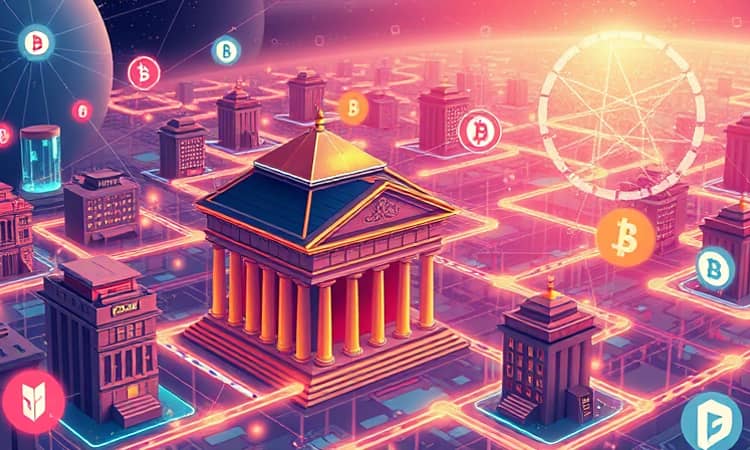
The lending ecosystem is a tapestry of institutions, technologies, and regulations that together facilitate the movement of capital from providers to users around the globe. Whether through established banks, digital platforms, private credit funds, or decentralized finance (DeFi) protocols, this network relies on multiple players collaborating seamlessly. Understanding how these pieces interlock is vital for anyone seeking deeper insights into modern finance.
Understanding the Traditional Lending Ecosystem
Traditional lending remains the backbone of credit markets, grounded in banks, credit unions, and service providers such as credit bureaus, appraisal firms, and insurance companies. These participants form interconnected entities including borrowers, lenders, and providers that drive loan origination, underwriting, and servicing.
At the core of every institution lies a Loan Origination System (LOS), which automates application, processing, underwriting, approval. It integrates online applications, identity checks, AI-driven risk analysis, e-signatures, compliance tools, and seamless connections to credit bureaus and core banking systems.
Credit decision engines leverage vast data—credit histories, income statements, debt ratios—to assess applicants in seconds, routing strong profiles through automated paths and flagging exceptions for manual review. Rules-based workflows then orchestrate every task, reducing manual file shuffling and ensuring consistency.
Decentralized Finance: A New Frontier
DeFi lending upends the need for intermediaries by using blockchain smart contracts to match lenders and borrowers directly. Liquidity providers deposit assets into pools, earning interest based on supply and demand, while borrowers lock up collateral to secure loans.
Real-time pricing feeds from oracles and collateral from Automated Market Makers create a dynamic environment where protocols adjust rates and loan-to-value ratios on the fly. This permissionless system offers no KYC or geographic barriers and unprecedented transparency.
Users retain control of their funds via private wallets, benefiting from self-custody and global access. Smart contracts automate interest calculations, repayments, and liquidations, eliminating the need for traditional credit checks and manual interventions.
Digital and Automated Lending Platforms
Digital lending platforms streamline the end-to-end loan lifecycle, removing paperwork and phone calls. From initial application to final funding, borrowers experience a frictionless process on any device.
- Application intake: Secure online forms capture personal and financial data.
- Evaluation: Automated credit and fraud checks verify eligibility.
- Underwriting and decisioning: AI models approve or reject based on risk parameters.
- Approval and disbursement: E-signing and digital wallets enable instant funding.
These innovations deliver faster approvals and lower costs, allowing lenders to scale operations and focus staff on complex cases. E-vaulting and document routing ensure compliance and audit readiness.
Private Credit and Customized Capital Solutions
Private credit offers a bespoke alternative to public debt and bank financing. Fund managers pool capital from institutional investors and deploy it directly to corporate or consumer borrowers, tailoring structures to specific needs.
- Tailored financing: Unique covenants, amortization schedules, and collateral packages.
- Direct investor relationships: Transparent fee models and reporting standards.
- Flexible structuring: Senior loans, mezzanine debt, unitranche facilities.
By matching originators, investors, and borrowers within a single framework, private credit creates a symbiotic ecosystem that moves capital swiftly while managing risk through rigorous due diligence and ongoing monitoring.
Risks, Compliance, and the Road Ahead
Interconnecting these diverse channels introduces new complexities. Data flows through APIs linking LOS platforms to credit bureaus, fraud databases, compliance tools, and core banking systems. Each link is a potential point of failure if not secured properly.
Smart contracts in DeFi can carry code vulnerabilities, and collateral valuations depend on oracle integrity. Meanwhile, digital lenders must navigate evolving regulations around data privacy, anti-money laundering, and consumer protection.
To mitigate these challenges, institutions are adopting holistic platforms focus staff on exceptions, leveraging AI/ML for anomaly detection and real-time compliance monitoring. Regular audits, multi-party governance, and secure key management are becoming standard practices.
Looking forward, the industry trends toward universal digital identity frameworks, tokenization of real-world assets, and deeper API-based integrations. Cloud and hybrid deployments accelerate innovation while preserving security and control.
Building a Harmonized Future in Lending
As boundaries between traditional, digital, DeFi, and private credit models blur, the ultimate goal is a seamless, borrower-centric experience. Collaboration between banks, fintechs, regulators, and blockchain communities can unlock new efficiencies and broaden access.
By embracing connectivity across multiple lending models, stakeholders can reduce costs, accelerate time to funding, and foster financial inclusion. Shared data standards and open architectures will drive innovation while safeguarding stability.
The ecosystem of credit is more than a sum of its parts. As each component evolves, their interactions become richer, more resilient, and capable of addressing global funding needs. Together, they herald a new era of lending where capital flows freely, securely, and inclusively.