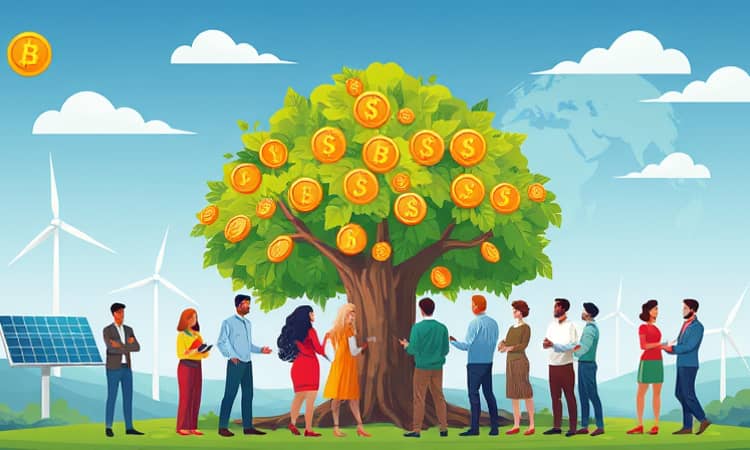
In a world where financial markets shape our collective future, an ethical portfolio offers a pathway to align investments with personal values. Embracing sustainable choices can generate positive societal and environmental impact while pursuing competitive returns.
This comprehensive guide explores core concepts, benefits, strategies, and future trends to help you craft a truly responsible investment portfolio.
Understanding Core Concepts
An ethical portfolio integrates environmental, social, and governance factors alongside traditional financial analysis. It shifts the focus from profit alone to a holistic view that considers climate change, human rights, board diversity, and corporate ethics.
Related approaches include:
- Responsible investment: Emphasizing risk management and long-term viability.
- Sustainable investing: Using inclusion, exclusion, and active ownership to improve outcomes.
- Ethical investing: Guided by moral codes such as religious or social principles.
Why Ethical Investing Matters
Sustainable strategies deliver more than altruistic satisfaction. Companies with strong governance and transparency tend to outperform peers and withstand market volatility.
Research shows that shareholders who engage on climate targets see a 4% higher cumulative peer-adjusted return after one year, rising to 12% after two years. Frequent governance engagement yields a 7% uplift in the first year, peaking at 11.8% after two and a half years.
By aligning with firms that prioritize long-term thinking, investors can:
- Reduce exposure to regulatory and reputational risks.
- Support companies driving innovation in clean energy and social equity.
- Foster resilient business models that endure economic cycles.
Key Principles and Strategies
Building an ethical portfolio requires clear criteria and disciplined execution. The following strategies serve as building blocks for sustainable allocation:
Each approach can be tailored to reflect personal ethics and financial goals. For instance, positive screening highlights leaders in clean technology, while negative screening excludes sectors misaligned with your values.
Building an Ethical Portfolio
The journey begins with introspection and clear objectives. Follow these steps to translate convictions into concrete investments:
- Assess Values and Objectives: Define your ethical priorities—climate action, human rights, diversity.
- Select ESG Criteria: Choose metrics to evaluate environmental footprint, social impact, and governance standards.
- Diversify Across Asset Classes: Blend stocks, bonds, and alternatives to manage risk and capture opportunities.
- Choose Investment Vehicles: Consider individual stocks, mutual funds, ETFs, green bonds, and social impact bonds.
- Monitor Performance Regularly: Track both financial returns and measurable impact metrics.
By systematically integrating these elements, you can create a balanced allocation that advances both your wealth and your worldview.
Monitoring, Maintenance, and Common Challenges
Ongoing diligence is critical to prevent greenwashing and misleading claims. Establish a review schedule to reassess portfolio alignment, adjust criteria, and replace underperforming holdings.
Key challenges include:
- Verifying ESG credentials through credible third-party reports.
- Balancing potentially lower short-term returns against long-term value creation.
- Navigating evolving regulations and reporting standards worldwide.
Metrics such as emissions reductions, board diversity statistics, and community impact measures can help quantify progress and inform rebalancing decisions.
2026 Trends and Outlook
The sustainable investing landscape continues to evolve, driven by innovation and global imperatives. Looking ahead, notable themes include:
- Climate adaptation and resilience: Investments in energy infrastructure, green bonds, and physical risk mitigation.
- Nature-positive finance: Expanding debt-for-nature swaps, biodiversity funds, and sustainable forestry projects.
- AI-powered ESG analysis: Leveraging data and algorithms to enhance due diligence and impact measurement.
- Private markets expansion: Growing demand for climate infrastructure, renewable energy, and responsible real estate.
- Regulatory evolution: New global standards for ESG reporting and stewardship responsibilities.
Organizations that embrace these trends can seize opportunities in an era of transformation while remaining true to ethical imperatives.
Conclusion
Constructing an ethical portfolio is far more than a financial exercise—it is a statement of intent and a commitment to shaping a better world. By weaving together robust ESG analysis, thoughtful screening strategies, and ongoing engagement, investors can achieve long-term value and measurable impact.
As 2026 unfolds, the intersection of profit and purpose will only grow more compelling. Now is the moment to translate values into action and build a portfolio that not only generates returns, but also nurtures the planet and society for generations to come.