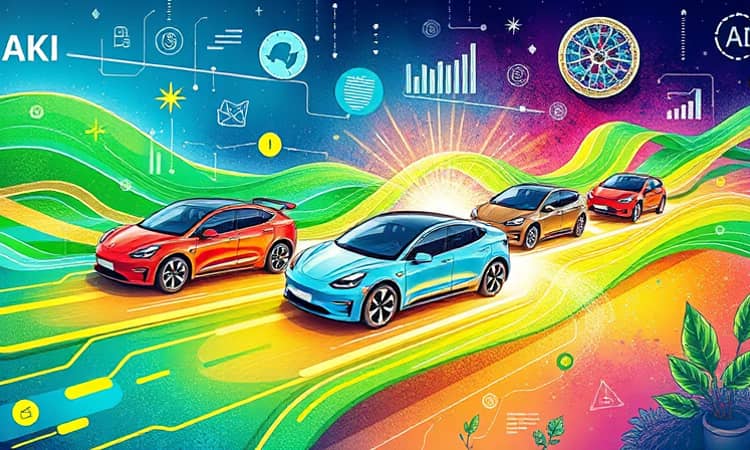
As we stand on the cusp of 2026, the world of investment is undergoing a profound transformation. From the rapid declining battery costs that have enabled electric vehicles to approach cost parity with traditional cars, to the surge of AI-optimized asset management reshaping fund strategies, the landscape is more dynamic than ever.
Investors now face a convergence of electrification, digital transformation, sustainability, and novel asset structures. This article explores the innovations driving the next generation of investment vehicles and offers practical guidance on navigating these opportunities.
Global Electrification Landscape
The automotive sector remains at the forefront of structural change. Declining costs, shifting policies, and fleet mandates have combined to accelerate the uptake of electric and hybrid models.
- Battery cost declines: Falling 8–10% annually since 2010, spurred by LFP chemistry advances and mass production efficiencies.
- Hybrid resurgence: Toyota projects 40% of U.S. sales as hybrids by 2026, while Stellantis emphasizes PHEVs in Europe and hybrids in North America.
- BEV adoption forecasts: Approximately 20% of new U.S. sales by 2030; China expects over 50% BEV penetration in the same period.
- Fleet electrification mandates: Amazon, FedEx and major logistics firms drive high-utilization electric fleet growth despite private buyer slowdown.
AI and Software-Defined Transformation
Alongside electrification, digitalization has emerged as a key investment theme. Software-defined vehicles and AI-driven processes offer new revenue streams and operational efficiencies.
Legacy automakers strive to catch up with clean-sheet players like Tesla, enabling subscription services, over-the-air updates, and predictive maintenance.
- Software-defined vehicles: Modular electronics and cloud-native architectures power recurring software revenues.
- AI integration: Reducing design cycles by 60–70% and cutting development costs by up to 50% for early adopters.
- By-wire technologies: Steer-by-wire and brake-by-wire systems debuting in premium models in North America and China in 2026.
- Advanced materials: Ultra-high-strength steels, bio-based carbon fiber, and magnesium thixomolding for lighter platforms.
- Energy ecosystems: Fleet operators adopt behind-the-meter storage, solar PV, and load-balancing solutions for reduced total cost of ownership.
- Upcoming flagship models: Ferrari EV SUV, BMW i3/M3 with 800V systems, Chevy Corvette SUV, Genesis GV90 three-row EV.
Sustainability, Supply Chains, and Resilience
Investors are increasingly focused on supply chain localization and circular economy principles. Partnerships in battery recycling and rare earths mitigation bolster portfolio resilience.
Regional manufacturing hubs and recycling networks reduce exposure to trade shocks and semiconductor shortages. Sustainable thematic funds target companies leading in materials innovation and green logistics.
Emphasizing environmental, social, and governance criteria in fund selection can unlock long-term value while aligning portfolios with global climate goals.
Market Projections and Fund Strategies
Expectations for 2026 underscore above-trend growth, easing policy environments, and productivity acceleration. Agile strategies that blend hybrid and pure electric exposures are poised to outperform.
Investment vehicles are evolving beyond traditional mutual funds and ETFs. Emerging structures include AI-optimized strategies, tokenized sustainable assets, and actively managed electrification portfolios.
- Fund implications: Prioritize agile strategies that balance hybrid and electric exposures for superior margins.
- Challenges: Trade volatility, semiconductor scarcity, rare earth constraints, and EV residual value pressures in Europe and the U.K.
- Opportunities: Monetize connected car data via subscription services, enhance fleet TCO, and upskill for software-centric production.
Regional Dynamics and Risk Management
Regional nuances will shape fund performance. The U.S. market is fleet-heavy, while Europe contends with stringent data and emissions regulations. China’s hybrid-first approach reflects pragmatic consumer preferences and export ambitions.
Investors should manage risks related to policy reversals, incentive withdrawals, and emerging EV taxes. Building portfolios with diversified geographic and technological exposures provides a buffer against localized disruptions.
Building Resilient, Future-Ready Portfolios
As the investment landscape evolves, the most successful portfolios will blend innovation with diversification. Embrace funds that integrate electrification and digital themes, leverage active management, and target sustainability leaders.
By aligning capital with transformative trends—from AI-driven development to circular supply chains—investors can capture growth while mitigating risk. The future of funds lies in vehicles that are not only financial but also technological and environmental assets.
With thoughtful strategy, rigorous research, and a focus on emerging innovations, 2026 offers a rich tapestry of opportunities to build portfolios that drive returns and positive impact.