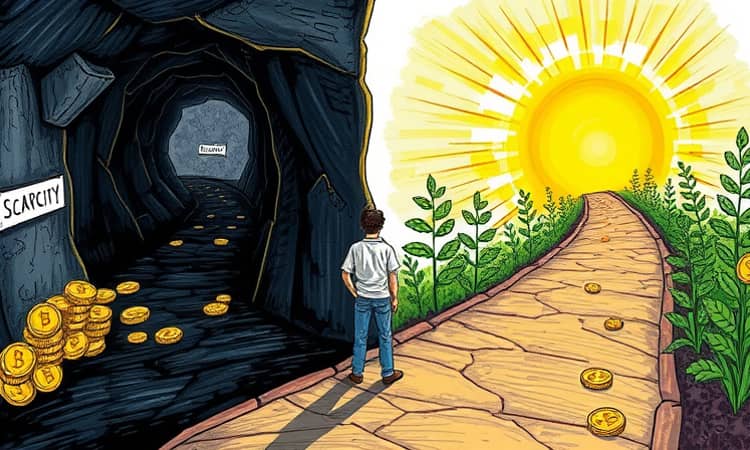
Financial scarcity is more than a lack of money; it reshapes thoughts, emotions, and choices. Understanding its grip is the first step to breaking free.
Understanding Scarcity and Its Impact on Your Mindset
Scarcity, in behavioral economics, describes a state where perceived resources fall short of needs. Whether it’s money, time or social connection, the feeling of not having enough hijacks your attention and reshapes your priorities.
Sendhil Mullainathan and Eldar Shafir illustrate how scarcity steals finite mental bandwidth and cognitive load, leaving little space for planning, creativity, or self-control. When your mind zeroes in on what you lack, deep thinking and strategic choices slip away.
In social psychology, the scarcity principle shows that humans assign higher value to limited items. Loss aversion and FOMO compound this effect, making every missed opportunity feel like a personal failure.
Cognitive and Emotional Effects of Financial Scarcity
When bills loom or paychecks feel insufficient, mental resources divert to immediate crises. This tunnel vision on urgent demands reduces performance on complex tasks—studies equate this to a drop in IQ.
Beyond cognition, scarcity fuels persistent negative financial self-narrative. Anxiety, frustration, and shame become daily companions, triggering impulsive or defensive spending.
Self-control falters under pressure. Opting for payday loans, delaying essential payments, or avoiding budgets aren’t moral failings; they are predictable reactions to a taxed psyche.
Common Limiting Money Beliefs and Their Origins
Limiting beliefs are the stories we tell ourselves: “I’m not good with money,” “There’s never enough,” or “Rich people are corrupt.” These narratives shape career choices, spending habits, and willingness to grow.
Many of these beliefs originate in childhood messages—“We can’t afford that”—or cultural tropes painting wealth as greedy. Personal financial setbacks seal these beliefs with emotional tags of fear and guilt.
Strategies for Shifting From Scarcity to Abundance
Transforming your money mindset requires intentional practices that rebuild confidence, expand perspective, and solidify new habits.
- Journaling to identify and challenge self-limiting money beliefs and fears.
- Cognitive reframing: Replace “I can’t afford it” with “How can I afford it?”
- Daily gratitude lists focusing on existing resources and opportunities.
- Mindfulness exercises to reduce reactive impulses.
Behavioral tools reinforce new thinking patterns with practical steps.
- Zero-based budgeting to allocate every dollar intentionally.
- Automated savings: Pay yourself first automatically each month.
- Building an emergency fund to alleviate fear of losing opportunities.
- Negotiating salary or rates to reflect real value.
Long-term growth strategies solidify an abundance foundation.
- Financial education: Workshops, books, or courses on investing and planning.
- Seeking mentorship or community support for accountability.
- Setting incremental goals to celebrate progress.
- Volunteering or giving: Cultivates an empowering abundance-centered financial perspective.
Shifting from scarcity to abundance is a journey. It’s not about ignoring risks but developing resilience and vision. By blending cognitive, behavioral, and community practices, you can free yourself from limiting stories and unlock long-term financial health and growth.
Every step toward abundance strengthens your capacity to see possibilities where once you saw walls. Start today: question old beliefs, adopt small practices, and watch your mindset—and your finances—transform.