In an era of constant economic change, taking control of your financial well-being can feel like navigating a vast sea without a compass. Yet, by understanding and monitoring the right measures, you can steer toward security and confidence. This article illuminates how to use key credit health indicators to build resilience and achieve lasting prosperity.
Understanding the Foundations of Financial Health
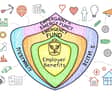
At its core, financial health is more than just a snapshot of bank balances and debt levels. It speaks to your ability to meet daily expenses, your readiness to absorb unexpected setbacks, and your capacity to realize long-term aspirations. The Financial Health Network’s eight indicators, organized around Spend, Save, Borrow, and Plan, offer a comprehensive roadmap to sustainable stability.
When you learn to track these signals, you cultivate confidence in your financial journey. Whether you’re just starting to budget or striving to enhance your credit score, each step builds toward a future where your goals feel not only reachable but inevitable.
- Positive monthly cash flow
- Sufficient emergency reserves
- Responsible debt levels
- Long-term retirement planning
- Insurance coverage for unexpected shocks
Bringing Indicators to Life: The Four Pillars
These indicators break down into four categories. First, the Spend dimension examines whether you spend less than your income and pay all bills promptly. Achieving a positive cash flow every month provides the fuel you need to tackle higher ambitions.
Next, the Save category measures both liquid reserves—enough to cover three to six months of living expenses—and long-term investments that secure retirement. Building these cushions offers resilience to financial shocks and peace of mind.
On the Borrow front, maintaining a manageable debt load (less than half your monthly obligations) and a prime credit score unlocks lower interest rates, more favorable loan terms, and greater choice.
Finally, the Plan dimension ensures you have appropriate insurance to protect against life’s uncertainties and a clear trajectory toward your goals. Tracking progress on each objective keeps you focused and motivated.
Practical Steps to Monitor and Improve Your Credit Health
Embracing these indicators begins with clear measurement. Start by setting up simple tools—spreadsheets, budgeting apps, or even a dedicated notebook—to record income, bills, and savings contributions. Categorize every transaction to pinpoint areas where you can adjust behavior.
Keep a close eye on deadlines. Automating bill payments and savings transfers helps you avoid late fees and ensures consistent progress toward your goals. When you know exactly when money flows in and out, you free your mind to focus on strategy.
- Schedule a weekly finance review to catch anomalies.
- Automate transfers for bills and savings.
- Track your credit score through free monitoring services.
- Rebalance your budget whenever income or expenses shift.
- Maintain an emergency fund equal to at least three months’ expenses.
The Journey Forward: Building Confidence and Resilience
As you adopt these practices, you’ll notice a shift in how you approach money. What once felt chaotic becomes a series of conscious choices. You gain the freedom to say yes to opportunities—investments, travel, further education—and the security to cushion yourself against life’s curveballs.
Financial health is not a destination reached overnight but a lifelong expedition. There will be peaks and valleys, unexpected storms and days of calm. By continually referencing your eight indicators, you maintain a dynamic view of your progress and can course-correct as needed.
Above all, remember that improving credit health is not about deprivation; it’s about empowerment. With each metric you master, you build sustainable spending habits and routines that lighten stress and heighten joy.
Whether you’re a young professional laying the groundwork for retirement, a parent safeguarding your family’s future, or an entrepreneur funding a dream, these principles apply. You hold the tools to measure your starting point, track your climb, and savor every achievement along the way.
Now is the time to take stock, set benchmarks, and celebrate progress. When you measure what matters, you don’t just survive—you thrive.