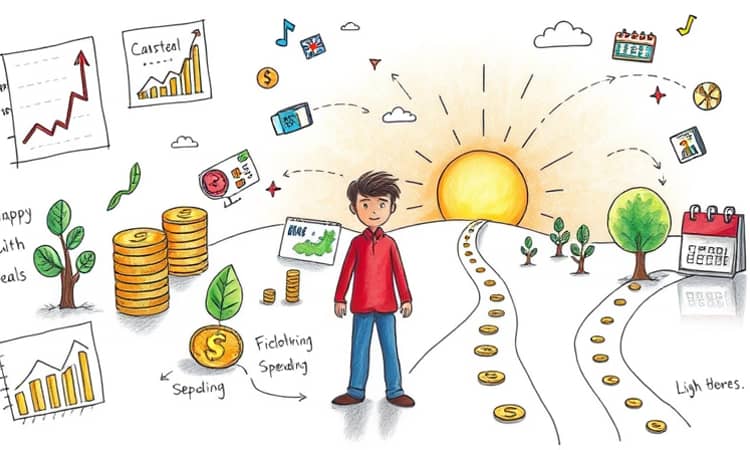
Imagine directing every dollar toward your dreams instead of chasing fleeting pleasures. Adopting a strategic approach to spending transforms ordinary budgeting into a powerful tool for building long-term security, opportunity, and fulfillment.
In this guide, we’ll explore how to become a strategic spender, borrowing wisdom from business spend management to craft a personal finance plan that truly delivers.
Defining Strategic Spending
Strategic spending means aligning your money with your deepest aspirations rather than impulse or habit. In business, strategic budgeting is defined as aligning financial resources with long-term objectives, prioritizing investments, and ensuring stability while pursuing growth. As individuals, we can adopt the same mindset.
Unlike tactical spenders who react to sales and cut random expenses, a strategic spender asks, "Does this move me toward what I really want?" Every dollar is examined for its ability to buy more time, security, earning power, or genuine happiness.
- Clear long-term goals and priorities
- A structured budgeting system that removes guesswork
- Conscious trade-offs and opportunity-cost thinking
- Regular use of data and automation for visibility
- Optimization of big, recurring expenses
Strategic vs. Tactical Spending
To illustrate the difference, consider this comparison table:
Clarifying Long-Term Goals
Your life domains become the anchors of your strategy. Define what freedom, security, career growth, health, relationships, and experiences truly mean to you.
- Financial independence and flexibility
- Reliable safety net and peace of mind
- Skills and credentials for career advancement
- Physical and mental well-being
- Meaningful connections and adventures
By setting clear targets—such as owning a home in five years or funding advanced training—you give each dollar a purpose beyond satisfying immediate cravings.
Designing Your Strategic Budget
A multi-year money plan borrows from corporate budgeting processes. Begin by setting long-term goals and objectives, then identify key initiatives like debt repayment or down payment savings.
Consider these budgeting methods:
- Zero-based budgeting: justify every expense annually
- 50/30/20 rule: 50% needs, 30% wants, 20% saving/debt
- Pay-yourself-first: automate savings and investments
- Activity-based budgeting: cost out activities that drive outcomes
Each approach can be adapted to ensure you prioritize investments over impulse purchases and maintain flexibility as life evolves.
Tracking and Spend Visibility
Just as businesses rely on procurement systems for real-time insights, track your cash flow with apps and automation. Categorize every transaction to know where money goes at a glance.
Regular visibility empowers you to spot anomalies—unused subscriptions, small daily leakages—and redirect those funds to your priorities without guesswork.
Prioritizing High-Leverage Spending
Large recurring costs like housing, transportation, food, insurance, and taxes often consume the bulk of your budget. By managing these categories strategically, households can free up to 10–20% of income through better management.
Negotiate rent, refinance loans, optimize grocery shopping, and review insurance plans. Small percentage improvements here compound into significant annual savings.
Cutting Waste, Not Joy
The worst spending is often the hardest to track. Corporate spend management warns that tiny daily leakages add up to large sums. Apply the same vigilance to those $5 coffees, recurring apps, or impulse online deals.
Distinguish between mindless purchases and those that truly enhance your life. Then channel the freed-up funds toward experiences and goals that matter.
Spending as Investment
Every dollar can function like an investment in skills, health, or relationships—mirroring a company’s R&D or capability-building. Enroll in courses, maintain your body with quality nutrition, and nurture key connections.
This mindset shift from expense to capability turns your budget into a portfolio of growth opportunities and resilience measures.
Building Resilience and Risk Management
An emergency fund, adequate insurance, and buffers safeguard you against life’s uncertainties. Think of these as your personal risk management strategy—much like corporate planning for supply chain or financial shocks.
Maintaining reserves gives you the confidence to stay the course on your long-term plan even when unexpected events arise.
Feedback Loops and Continuous Improvement
Strategic budgeting is not set-and-forget. Schedule monthly, quarterly, and annual reviews. Compare actuals to forecasts, adjust allocations, and refine your goals.
By treating your finances as a living system, you harness data-driven tweaks that keep you on track and informed.
Behavioral and Psychological Insights
Human decision-making swings between auto-pilot impulses and deliberate choices. Use rules, friction, and defaults to protect your strategy—automate savings and set spending alerts.
When urges strike, pause and ask: “Will this move me closer to my vision?” That extra moment of reflection activates your deliberate mind and fortifies your resolve.
Becoming a strategic spender is a journey of purposeful choices. By directing every dollar toward long-term goals, you transform routine transactions into stepping stones toward freedom, security, and true fulfillment. Start today—chart your objectives, build your plan, and let each dollar work harder for you.