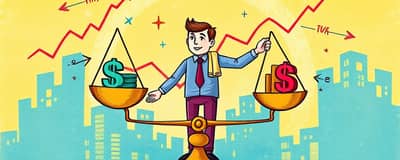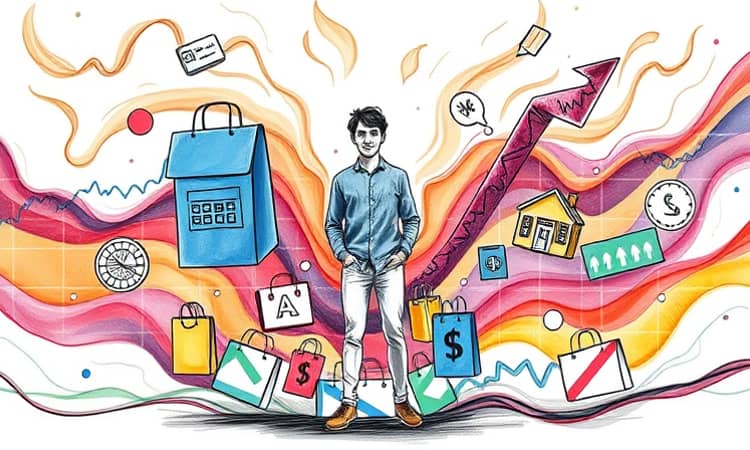
Imagine waking up to see your retirement portfolio climbing higher before breakfast. In that moment, you feel an intangible boost of optimism that ripples through the rest of your day, from the latte you buy to the weekend getaway you plan. This is the perceived increase in household wealth at work: when asset values rise, consumers often feel empowered to spend more, even without extra income. This phenomenon, known as the wealth effect, ties individual psychology to broad economic shifts.
As asset prices like stocks, homes, and bonds climb, households experience unrealized gains in household wealth. Those gains translate into higher spending on goods and services, igniting growth across sectors such as retail, home improvement, and hospitality. Yet behind this surge in consumer confidence lies a deeper interplay between emotion, behavior, and macroeconomics.
Understanding the Wealth Effect
At its core, the wealth effect refers to the change in consumer spending triggered by asset value fluctuations. When markets perform strongly, households feel richer, creating an emotional response that stimulates purchases. This psychological mechanism, sometimes called the “Smartphone Effect,” reflects how real-time market news broadcasts magnify our perception of prosperity.
In practical terms, rising equity prices or home values lower the household savings ratio as people tap into home equity or draw on savings to fund discretionary spending. This shift in behavior can turn modest market gains into significant boosts for aggregate demand.
The Mechanics Behind Consumer Confidence
Two main drivers fuel the wealth effect:
- Asset Price Triggers: Gains in the stock market (e.g., S&P 500), housing values, bonds, and retirement accounts directly influence how wealthy we feel.
- Psychological and Behavioral Drivers: Higher confidence leads to lower savings, more borrowing, and a willingness to upgrade from budget options to premium products.
High-income households and stockholders typically display the strongest response, shifting consumption from basic goods to luxury items. As people buy more steak instead of fast food or renovate their homes instead of renting equipment, businesses across industries benefit.
The aggregate impact ripples through the economy, pushing the IS curve rightward, raising interest rates, and fueling job growth in affected sectors. In other words, aggregate demand through consumer spending becomes the engine of expansion.
Quantifying the Impact
Economists measure how much additional spending arises from a dollar of wealth gains via the marginal propensity to consume (MPC). Typical estimates show that for every extra dollar of household wealth, consumers spend a fraction of that gain, which then multiplies through the economy.
These figures explain how a booming market can deliver substantial economic tailwinds. In the pandemic era, when household wealth soared, the MPC nearly quadrupled, transforming asset gains into everyday purchases.
Historical Lessons and Modern Trends
From the bull markets of the 1980s and 1990s to the housing bubble before 2007, the wealth effect has repeatedly shaped spending patterns. During the Great Recession, asset crashes reversed the effect, trimming consumer outlays and deepening the downturn.
- Pre-2007 Bubble: Housing gains contributed over 1% of consumer spending growth.
- 2008 Crash: Stock declines shaved 2.3% off spending, housing losses another 0.5%.
- 2020–2022 Pandemic: Explosive wealth creation added up to 4% of spending growth.
Today’s markets, bolstered by robust equity performance and rising home values, continue to prop up consumption even as wage growth lags—a reminder that marginal propensity to consume out of wealth remains a powerful economic lever.
Harnessing the Wealth Effect Responsibly
While higher asset values can spark optimism, unchecked spending fueled by unrealized gains can erode long-term security. Here are practical steps to benefit without overcommitting:
- Maintain an emergency fund before funding new expenses.
- Set clear budget limits on discretionary purchases.
- Diversify assets to smooth out market volatility.
- Review debt levels to avoid avoiding excessive credit-driven consumption pitfalls.
By balancing enthusiasm with prudence, individuals can channel wealth gains into meaningful investments—education, home improvements, or retirement planning—rather than short-lived splurges.
Policy Implications and Future Outlook
Policymakers monitor the wealth effect to calibrate monetary and fiscal tools. When asset-driven spending falters, they may lower rates or inject stimulus to reignite growth. Yet the uneven distribution of wealth gains poses challenges, as only affluent households can fully leverage rising asset prices.
Looking ahead, digital platforms delivering real-time market updates will continue to heighten sensitivity to price swings. Building resilience against sudden downturns, while fostering inclusive growth, will demand innovative policies that spread asset ownership more broadly.
Ultimately, understanding and respecting the wealth effect can help both individuals and economies navigate markets with confidence. By cultivating discipline alongside optimism, we can harness asset gains to build long-term economic stability and growth, turning financial windfalls into lasting prosperity.