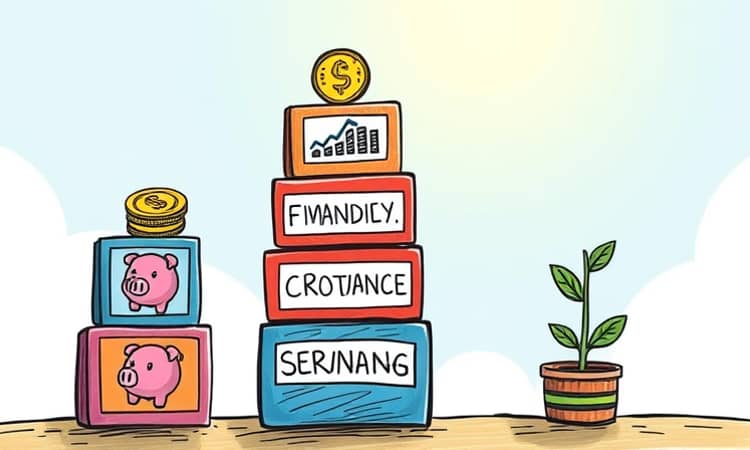
Financial freedom begins with a solid framework of interlocking steps, guiding you from immediate protection to long-term wealth growth.
Protection and Emergency Planning
The first pillar in any wealth building journey is creating strong financial stability against life’s unpredictable events. Without a safety net, even the best strategies can unravel under stress.
Begin by assembling an emergency fund covering 3-6 months of living expenses. This fund should sit in an accessible account, reserved for job loss, medical emergencies, or urgent home repairs. Having cash on hand reduces financial stress and guards against high-interest borrowing.
Insurance serves as a second layer of defense. Consider these essentials:
- Life Insurance: Protect loved ones by replacing income and covering final expenses.
- Health Insurance: Shield yourself from catastrophic medical bills that can wipe out savings.
- Liability Coverage: Preserve assets with umbrella policies against legal claims.
Finally, implement basic estate planning. Draft a will, designate powers of attorney, and set up trusts if appropriate. These steps ensure your assets transfer smoothly and your wishes are honored.
Savings, Budgeting, and Expenses Management
Once protected, move to the second pillar: mastering cash flow. Living within your means paves the way to consistent savings and purposeful spending.
First, track every dollar. Categorize transactions into fixed costs like rent and utilities, and variable costs such as dining out or entertainment.
- Needs vs. Wants: Clarify essential expenses and discretionary splurges.
- Automate Contributions: Direct a portion of each paycheck into savings.
- Regular Reviews: Adjust categories monthly to stay aligned with goals.
Use budgeting tools or spreadsheets to visualize cash flow. Set realistic saving targets—perhaps 10% of income—and automate transfers to a high-yield savings account or money market fund. This simplifies disciplined saving and minimizes the temptation to overspend.
Debt Management and Liability Planning
Debt can be a double-edged sword. When used wisely, it builds opportunities; when mismanaged, it becomes an anchor. Distinguish between:
- Good Debt: Mortgages, student loans, or business loans that support growth.
- Bad Debt: High-interest credit cards or payday loans that erode wealth.
Adopt a targeted repayment strategy. Attack high-interest balances first, then tackle lower-rate obligations. Refinancing or consolidating can reduce interest costs, but ensure fees don’t negate savings. Over time, a debt-reduction plan frees cash flow and improves credit health.
Investing and Asset Allocation
With protection, savings, and debt under control, shift focus to the fourth pillar: harnessing the power of compounding through thoughtful investing.
Begin by assessing your risk tolerance and time horizon. A younger investor can weather market fluctuations and aim for higher equity allocations, while those nearing retirement may prioritize stability with bonds and income funds.
Diversification is key. Spread investments across asset classes—stocks, bonds, real estate, and alternative vehicles like ETFs or mutual funds—to reduce volatility. Tax-advantaged accounts such as 401(k)s, Roth IRAs, or health savings accounts enhance long-term growth by sheltering gains from taxes.
Automate contributions so investing becomes routine. As an example, investing $300 monthly at a 7% average annual return could grow to over $500,000 by age 65 if started in your early 30s. Delay that start by a decade and required contributions nearly double, illustrating youth as a critical wealth superpower.
Goal-Setting, Planning, and Review
The final pillar underpins every other: clear, purpose-driven goals and ongoing evaluation. Apply the SMART framework:
- Specific: "Save $50,000 for a home down payment in three years."
- Measurable: Track progress monthly through statements.
- Achievable: Align targets with income and expenses.
- Relevant: Tie goals to core values like family security.
- Time-bound: Set firm deadlines to sustain urgency.
Regularly revisit goals. Life stages evolve, and your plan should adapt. Consider these stages:
By tailoring actions to each phase, you cultivate momentum and maintain clarity.
Actionable Next Steps
Putting these pillars into practice transforms intention into impact. Here are ten tips for those beginning their journey:
- Create an emergency fund before investing.
- Track spending daily and adjust weekly.
- Automate both savings and bill payments.
- Prioritize repaying high-interest debt.
- Open tax-advantaged retirement accounts.
- Diversify investments across sectors.
- Set SMART goals for every major milestone.
- Review your plan quarterly and tweak as needed.
- Educate yourself through trusted financial resources.
- Align spending with values to maintain motivation.
Remember, patience and consistency are your greatest allies. Wealth is rarely built overnight—it emerges through steady, purposeful action and continuous learning.
Conclusion: Building Your Financial Legacy
By establishing robust protection, mastering cash flow, managing debt wisely, investing strategically, and setting purposeful goals, you forge a resilient path toward financial success. Each pillar supports the next, creating an integrated framework that adapts to life’s changes.
Your journey may begin with small steps, but over time, these deliberate actions compound—growing into the foundation for generational wealth and lasting security. Embrace these building blocks today, and watch as your financial future transforms from aspiration into achievement.