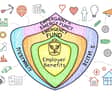
In an era defined by tax reforms, market volatility, and evolving threats, preserving wealth demands intentional stewardship rather than aggressive growth. By embracing clear objectives and adaptable strategies, families can ensure their legacy endures for generations.
Embracing Stewardship Over Aggressive Growth
True wealth preservation begins with understanding the original intent behind trusts and allocations. Heirs should study existing documents to discern the founder’s values and distinguish them from outdated provisions. This clarity prevents costly missteps that arise when well-meaning changes conflict with core objectives.
Before making asset adjustments, heirs must identify which elements serve the family’s mission and which introduce unnecessary risk. This approach fosters unity and aligns decisions with long-term harmony rather than short-term gains.
Strategies for Steward Heirs
- Understand the “Why”: Review trust instruments to grasp the rationale behind distribution rules and restrictions before proposing amendments.
- Reduce Concentration Risk: Diversify highly concentrated stock positions or family business holdings to build liquidity buffers and mitigate market shocks.
- Pressure-Test Estate Plans: Simulate scenarios like marriages, relocations, and tax law changes to confirm that trusts perform as intended under various conditions.
- After-Tax Stewardship: Coordinate distributions to leverage basis step-up rules and stagger distributions among trusts for multigenerational tax efficiency.
- Build a Personal Advisory Team: Engage existing professionals and cultivate your own expertise to maintain a holistic view of the family’s balance sheet.
By prioritizing respect for legacy and long-term resilience over bold moves, families foster both prosperity and unity.
2026 Tax and Year-End Planning Techniques
Tax law shifts scheduled for 2026 necessitate proactive moves in 2025 to lock in advantages. A thorough review can yield significant savings and improved cash flow for heirs.
- Basis Adjustment: Retaining low-basis appreciated assets ensures a full step-up at death, potentially saving heirs millions in capital gains tax.
- Asset Location Optimization: Allocate assets across taxable, tax-deferred, and tax-free accounts to maximize after-tax returns and minimize liabilities.
- Charitable Giving Strategies: Front-load gifts into donor-advised funds and utilize Qualified Charitable Distributions (up to $108,000 per person) to secure deductions before limits tighten.
- SALT Deduction Harvesting: Realize losses and use QCDs to stay below the phase-out thresholds for the expanded SALT cap through 2029.
- Evergreen Tactics: Continue Roth IRA conversions, backdoor Roth contributions, self-employed retirement plan funding, and loss harvesting on short-term gains.
Building Liquidity and Managing Risk
Maintaining the right liquidity balance is central to seizing opportunities and weathering downturns. Excess cash can drag performance, while insufficient reserves hamper flexibility.
- Liquidity Foundation: Establish cash reserves aligned with expense forecasts and potential investment windows.
- Insurance and Estate Updates: Review life, disability, and liability coverage, and update digital asset provisions to preserve wealth and privacy.
- Living Trusts Over Wills: Use revocable living trusts to bypass probate, maintain confidentiality, and accelerate asset transfers upon incapacity or death.
- Cybersecurity Protocols: Implement digital hygiene practices and privacy policies to guard against fraud, hacking, and other emerging threats.
Effective risk management combines traditional insurance with robust digital safeguards to provide comprehensive protection.
Designing Resilient Investment Portfolios
Market volatility in 2026 will likely persist, driven by policy shifts and geopolitical tensions. Investors must seek diversification beyond public equities to maintain stability.
Alternatives such as private credit and private equity continue to grow in appeal, with global alternatives AUM projected to reach $32 trillion. These asset classes offer lower correlation to public markets and potential for enhanced income streams.
Model portfolios are evolving to incorporate direct indexing, separately managed accounts, and liquid alternatives. Younger heirs may favor strategies with strong return on time invested, aligning portfolios with personal values and lifestyle preferences.
Preparing the Next Generation
Long-term preservation hinges on educating heirs early. Introducing family members to fundamental concepts of estate planning, tax law, and investment principles builds confidence and secures continuity.
Consider hosting regular wealth education workshops and sharing performance reports. Encourage heirs to engage with advisors to develop literacy in financial tools and governance processes.
A Holistic Approach for 2026 and Beyond
Wealth preservation is most effective when integrated across all aspects of a family’s financial life. From philanthropic goals to risk management, a holistic strategy aligns resources with values and objectives.
Regularly review your comprehensive balance sheet, stress-test plans against policy changes, and maintain open communication among stakeholders. By doing so, families can not only protect their capital but also honor their legacy and foster long-term resilience.
Proactive planning in 2025 sets the stage for confidence and stability in 2026. Embrace stewardship, adapt to change, and empower the next generation to carry forward a lasting family legacy.