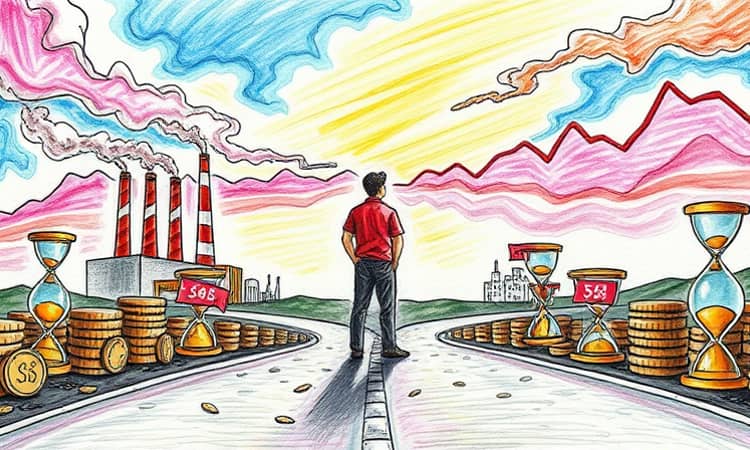
Our personal economy mirrors the dynamics of global markets, yet it unfolds within the realm of our daily choices. By understanding how micro and macro forces influence our finances, time, and energy, we become architects of our own financial destiny.
Discovering Your Personal Economy
Think of a personal economy as a small-scale system where you create value, capture value, and put it to work. Beyond dollars and cents, it encompasses time, energy, attention, relationships, and personal values.
When you manage how you earn income, spend judiciously, save for emergencies, invest wisely, and protect against risks, you are treating your life as a mini-economy. Every decision is a transaction in this system: the hours you trade for wages, the energy you allocate to projects, and the attention you devote to relationships.
Key Components of Your Personal Economy
- Income generation: Employment wages, business profits, side hustles, dividends, and government transfers.
- Spending and consumption: Household essentials, personal discretionary expenses, and the balance of needs versus wants.
- Budgeting and cash flow: Crafting a financial plan, tracking surplus or deficit, and maximizing spending efficiency.
- Assets and liabilities: Building net worth by growing assets and managing debts.
- Investing and wealth building: Long-term strategies aligned with risk tolerance and goals.
- Protection and risk management: Insurance, estate planning, and emergency buffers.
- Behavior and values: Cognitive biases, lifelong learning, and aligning choices with personal ethics.
By mapping these levers, you gain clarity over where to focus effort: boosting income, optimizing expenses, strengthening savings, or nurturing human capital through skills and relationships.
Microeconomics: Navigating Daily Market Forces
Microeconomics offers the rules of the game in markets where your personal economy operates. It highlights incentives, trade-offs, and psychological quirks that shape individual decisions.
Whether you’re negotiating a salary, comparing prices in a grocery aisle, or deciding between credit and cash, microeconomic principles are at work.
- Labor market conditions: Demand for skills, bargaining power, and job security determine your earning potential.
- Prices and relative costs: Rising housing or food prices force budget reallocations and affect discretionary spending.
- Interest rates at the individual level: Cost of borrowing versus return on savings shapes loan decisions and deposit strategies.
- Credit markets: Access to credit hinges on income, collateral, and credit score, dictating your ability to smooth consumption or invest.
- Behavioral biases: Present bias, herd mentality, and anchoring can derail long-term plans and inflate impulsive purchases.
By recognizing these forces, you can anticipate market signals: lock in a low interest rate loan when central banks cut rates, or diversify spending when relative prices shift unexpectedly.
Macro-economics: Big Forces Shaping Your Choices
Macro-economics captures sweeping variables—GDP growth, inflation, unemployment, and policy—that flow down into your personal economy. These forces may feel distant, yet their impact lands in your paycheck, your grocery bill, and your mortgage statement.
During expansions, wage growth and job openings tend to rise, offering opportunities to increase savings and invest. In recessions, unemployment risks surge, compelling households to draw on buffers or cut non-essential costs.
Inflation erodes purchasing power when prices climb faster than wages, especially for necessities like food and energy. Central bank rate hikes can raise your mortgage payment while boosting returns on savings, creating trade-offs between borrowers and savers.
Strategies to Thrive in Your Personal Economy
Armed with insight into micro and macro forces, you can craft a plan that balances ambition with stability. These strategies will help you flourish no matter what the markets serve:
- Create a dynamic budget: Review and update your plan monthly to reflect changing prices and income.
- Strengthen your emergency fund: Aim for three to six months of essential expenses in liquid savings.
- Invest for the long term: Choose diversified portfolios aligned with your time horizon and risk tolerance.
- Manage debt wisely: Prioritize high-interest obligations, refinance when rates fall, and avoid new unsecured credit.
- Invest in yourself: Develop skills, expand networks, and cultivate human capital to boost earning power.
- Align spending with values: Direct resources to causes and purchases that build purpose and satisfaction.
- Protect against shocks: Maintain adequate insurance, estate plans, and a clear risk management framework.
By treating your personal economy as a living system, you gain control over both your present well-being and your future security. When macro shifts create turbulence, you will already have the buffers, habits, and knowledge to navigate with confidence.
Remember, spend less than you earn, nurture your human capital, and stay attuned to market signals. In doing so, you transform external challenges into opportunities for growth, ensuring your personal economy thrives in every environment.